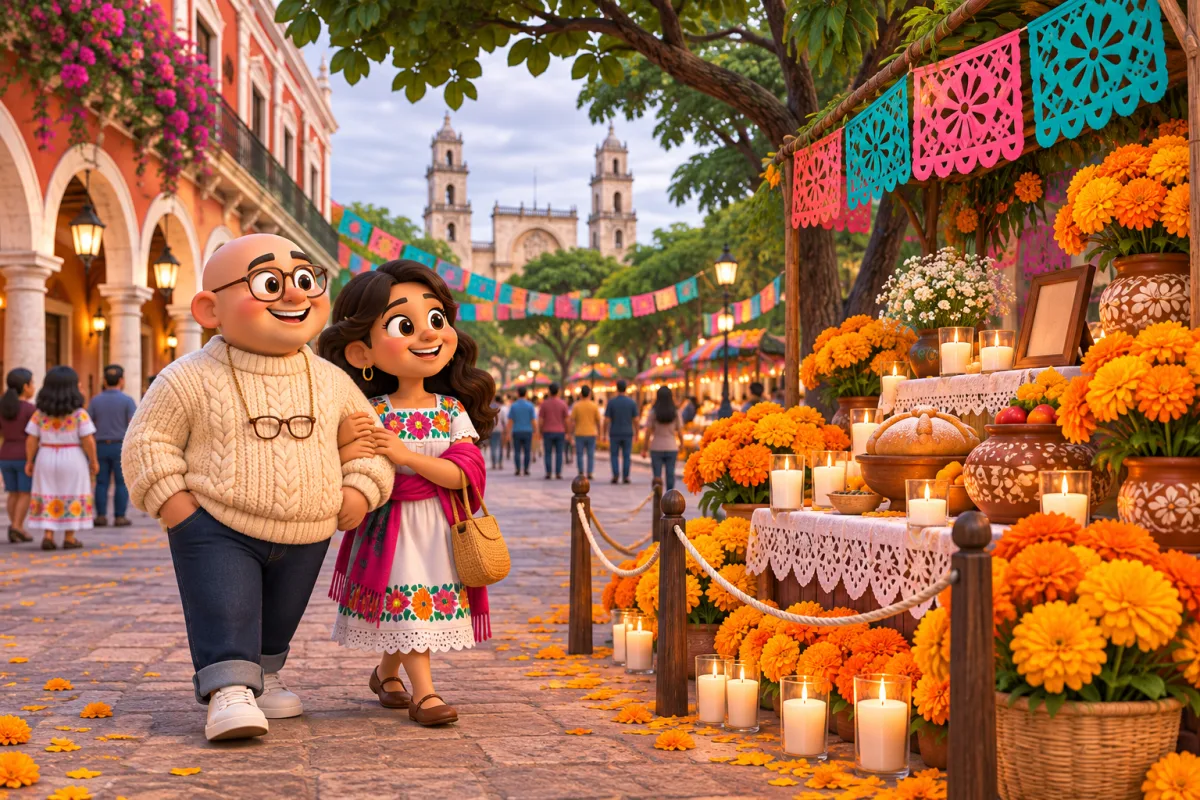
Planning Día de Muertos in Mexico City starts with a sorting job. The city's public program is a set of separate events with different organizers, and Mixquic's candlelit night is another thing again: a family observance in a village at the southeastern edge of the city.
The city announced a free cultural program for 2026, including the Zócalo altar, a night bike ride and the Gran Desfile. Those public shows are different from Mixquic's family observance, where visitors are guests of families remembering their dead.
Alebrijes, Catrinas and marigolds
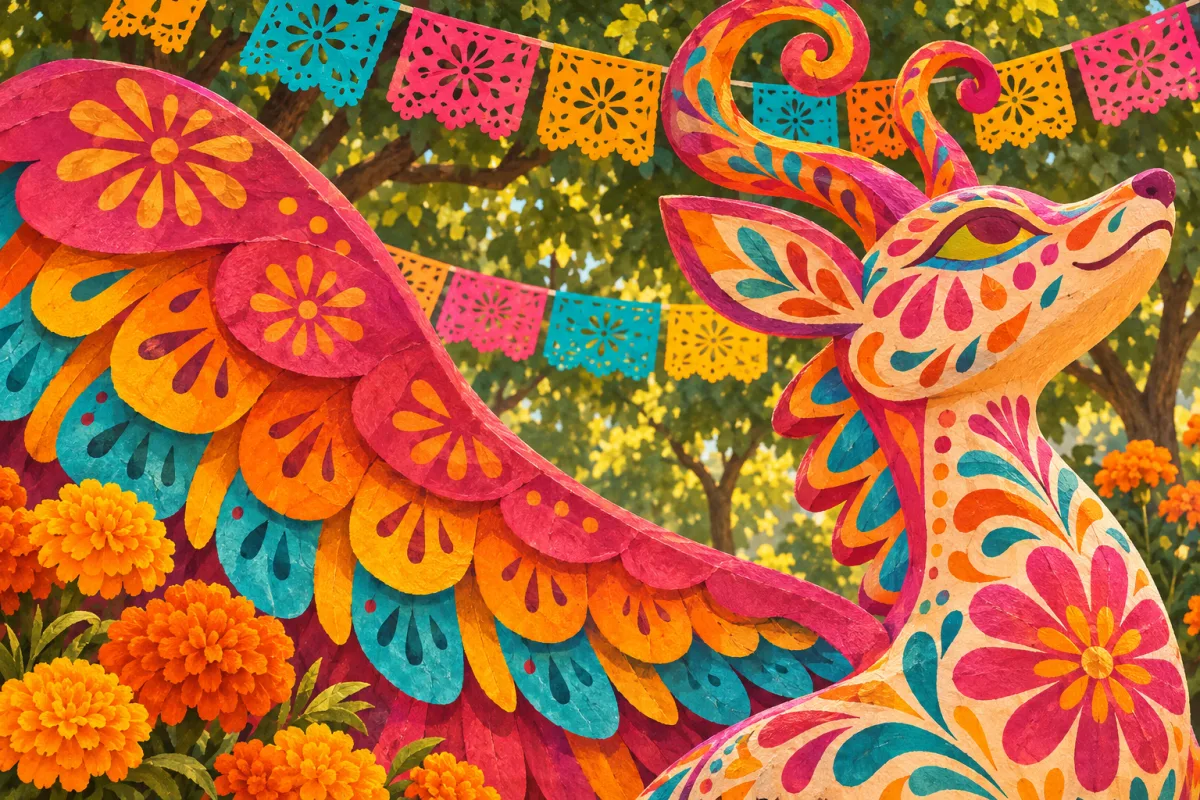
The monumental alebrijes remain on display along Reforma after their parade. Organized by the Museo de Arte Popular, the parade honors the cartonería craft rooted in the work of Pedro Linares of Mexico City and the Jiménez family of Oaxaca.
The Mega Procesión de Catrinas is a different thing: a walking procession led by a citizens' organization, in which thousands of people march in full dress and makeup, in groups. It keeps alive La Catrina, the elegant skeleton created by the illustrator José Guadalupe Posada.
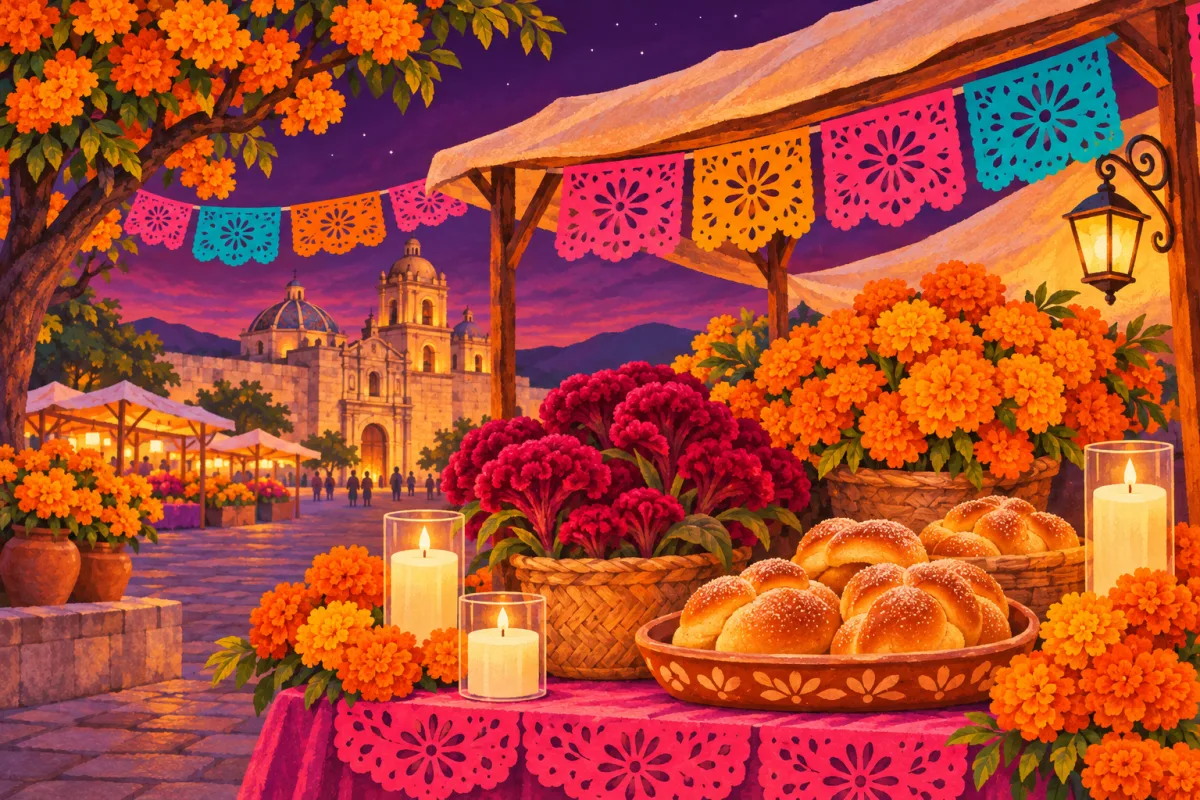
Flowers have their own event. The Festival Flores de Cempasúchil sets up on Paseo de la Reforma between the Ángel de la Independencia and the Ahuehuete, with 140 flower growers and agroecological producers from Tláhuac, Milpa Alta and Xochimilco.
The city's head of government, Clara Brugada, reported record production of 10 million marigold plants. The environment secretary said pots were on sale in all 16 boroughs and in Xochimilco's markets, at 15 to 30 pesos.
"Que florezca el cempasúchil; que florezca la memoria; que florezca la vida" (Clara Brugada, Mexico City head of government)
The night bike ride
The 2026 program schedules the themed night bike ride for Saturday, Oct. 24. The announcements disagreed on the route. The tourism office gave 19 kilometers from the Fuente de Petróleos to the Centro Histórico along Reforma and Avenida Juárez. The mobility secretary described 26 kilometers, starting at the Glorieta del Ahuehuete, passing through Chapultepec and ending at the Fuente Xochipilli.
When it happens
- Oct. 24, 2026Themed bike ride scheduled in the city's program
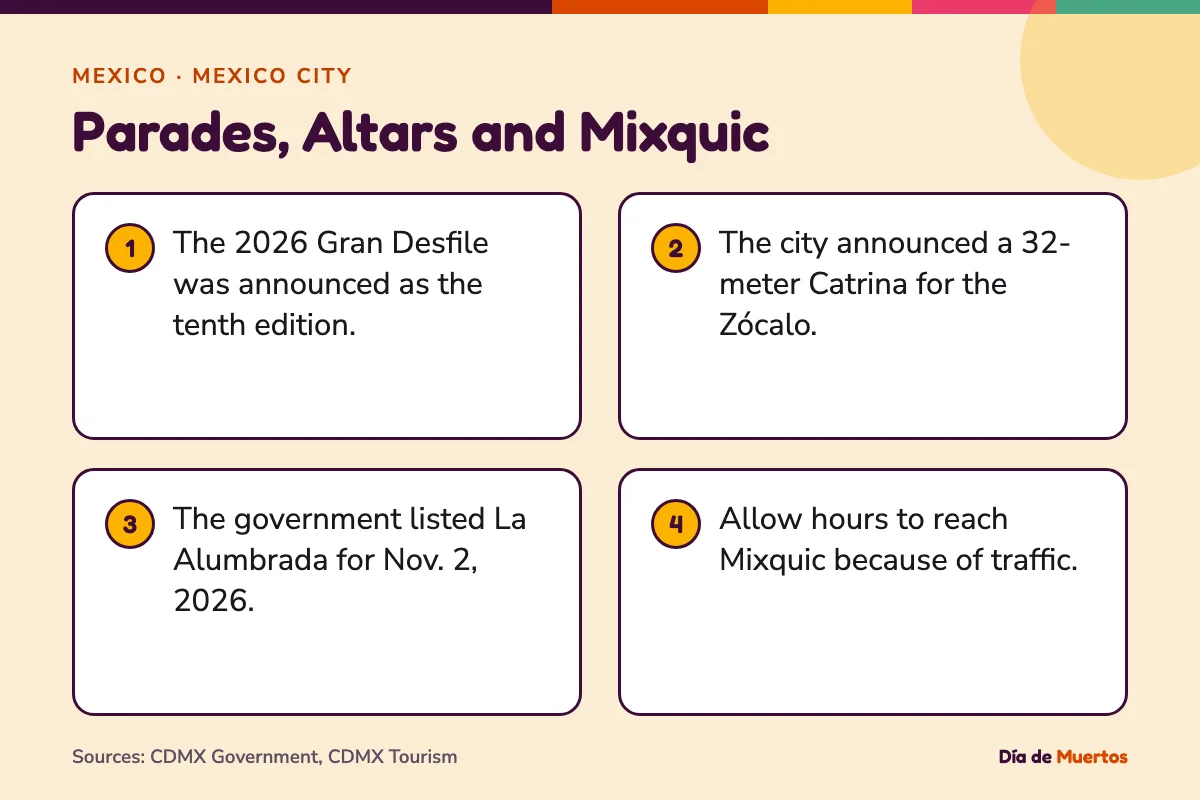
- Oct. 31, 2026Tenth Gran Desfile scheduled, Diana Cazadora to the Zócalo
- Oct. 31 to Nov. 2, 2026Xochimilco activities, including boat-landing stagings inspired by La Llorona
- Nov. 2, 2026La Alumbrada in Mixquic, the night of candles on the graves
The Gran Desfile
The tenth Gran Desfile de Día de Muertos is scheduled for Saturday, Oct. 31, 2026, running from the Diana Cazadora to the Zócalo. The culture secretary announced more than 4 thousand participants, 12 floats, two giant balloons and tributes to Nellie Campobello, Juan Rulfo, Juan Gabriel and Emilio "El Indio" Fernández.
The parade is a modern civic show. It sits apart from the old family rituals of the cemeteries. Published start times have varied, so confirm the hour on the city's official channels in any year.
The Zócalo altar
The Ofrenda Monumental is the center of the civic celebration, and its subject changes. The city announced a tribute to Posada's Catrina: a cartonería sculpture 32 meters tall, with sawdust carpets, ajolote sculptures decorated by artists and 100 thousand marigold plants from the city's conservation land. The culture secretary said the city aimed to break a Guinness record.
City workers also decorate the government buildings around the square with lighting: calaveras, skeletal hummingbirds and xoloitzcuintles.
Chapultepec, light shows and Xochimilco
The 2026 program listed the Sendero del Cempasúchil in the second section of Chapultepec Park, at the Paseo de los Compositores and the Lago Mayor. Its announced features included music, dance, food, altars and a nighttime drone display. The city also announced Caminos a la Luz, a light installation of tunnels, sculptures and figures inspired by Día de Muertos.
Xochimilco has its own program. The city invited people to the area's original towns and neighborhoods from Oct. 31 to Nov. 2, 2026, with six stagings at boat landings, performances inspired by La Llorona and events in the town center. The tourism office also describes night trajinera rides past offerings set on the chinampas.
The tourism office also recommends the historic centers of Coyoacán and Tlalpan for traditional altars and local fairs. The tourism secretary forecast about 5 thousand activities in public spaces over the season and more than half a million visitors.
Mixquic: the night of Nov. 2
San Andrés Mixquic, in the Tláhuac borough, is where the season turns from spectacle to family remembrance. The city's tourism office calls it the most traditional celebration in the capital and says the village keeps a worldview more than 500 years old. The graves belong to the families who tend them, and visitors are guests.
As the city describes the cycle, children's souls are welcomed on Oct. 31 with white petals and sweets. The adults come on Nov. 1, guided by their favorite dishes and marigold petals.
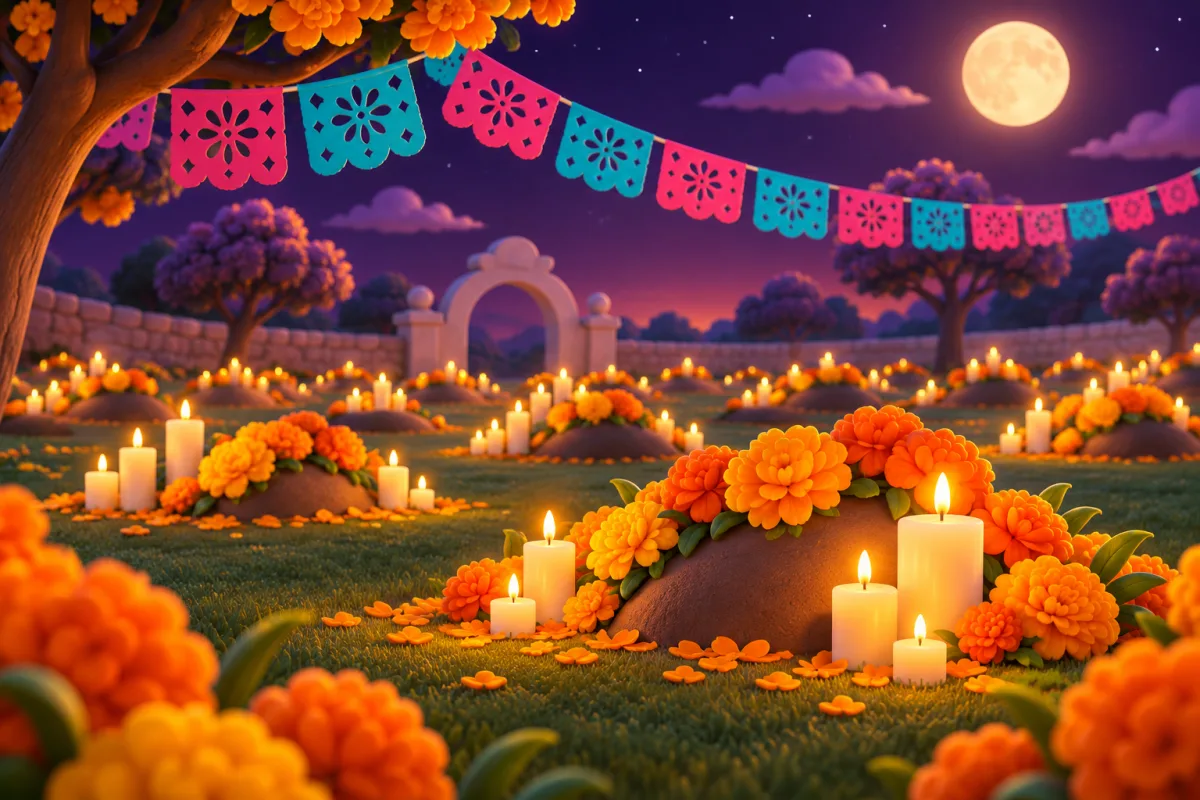
The government program lists La Alumbrada as the closing observance on Monday night, Nov. 2, 2026. The colonial cemetery goes dark, and thousands of candles are lit on the graves among prayers and songs. Food in the lake district centers on mixmole, romeritos and pumpkin in tacha.
Getting to Mixquic and back
Mixquic lies at the southeastern edge of the city, a long way from the center.
Plan the whole round trip before you leave, and arrange your ride back in advance. Consider organized transport or hiring a driver to wait through the observance. A tour's fee covers the journey and guiding; it does not buy access to a family's grave.
Where to stay and getting around
Staying in the Centro Histórico puts the Zócalo altar nearby, but major event days bring noise and restricted streets. For restaurant choices and convenient access to Reforma, consider Roma, Condesa or Juárez. Coyoacán offers a calmer base with neighborhood altars, at the cost of a longer trip to the parades.
The Formula 1 weekend coincides with the main celebration period in 2026. Accommodation is forecast to be unusually expensive and difficult to secure around that overlap; booking early is sensible.
Parade closures on Reforma also change bus routes. For the Reforma side, useful Metro stops include Insurgentes, Sevilla and Chapultepec on Line 1; toward the historic center, consider Hidalgo or Bellas Artes. Request a taxi or app ride only after walking beyond the streets closed for the procession.
Before you go
Check the current visitor guidance before setting out, and remember that free admission does not buy access to a family's grave. Families are there to remember their dead, so visitors may be told no. Arrive hours early because of traffic, ask permission before taking any photograph, stay quiet during La Alumbrada and never sit or step on the graves. Programs usually come out in the fall; check the city government's and the Tláhuac borough's pages before you book.
Questions readers ask
Who organizes the alebrije parade?
Is the city's Day of the Dead program free?
What etiquette should visitors follow in Mixquic?
Sources
- Mexico City Tourism (Gobierno de la Ciudad de México): Día de Muertos en la Ciudad de México
- Jefatura de Gobierno de la Ciudad de México: Clara Brugada anuncia ofrenda Catrina monumental, desfile de muertos y paseo luminoso en Reforma
- Mexico City Tourism Guide (mexicocitytourism.org): Day of the Dead in Mexico City