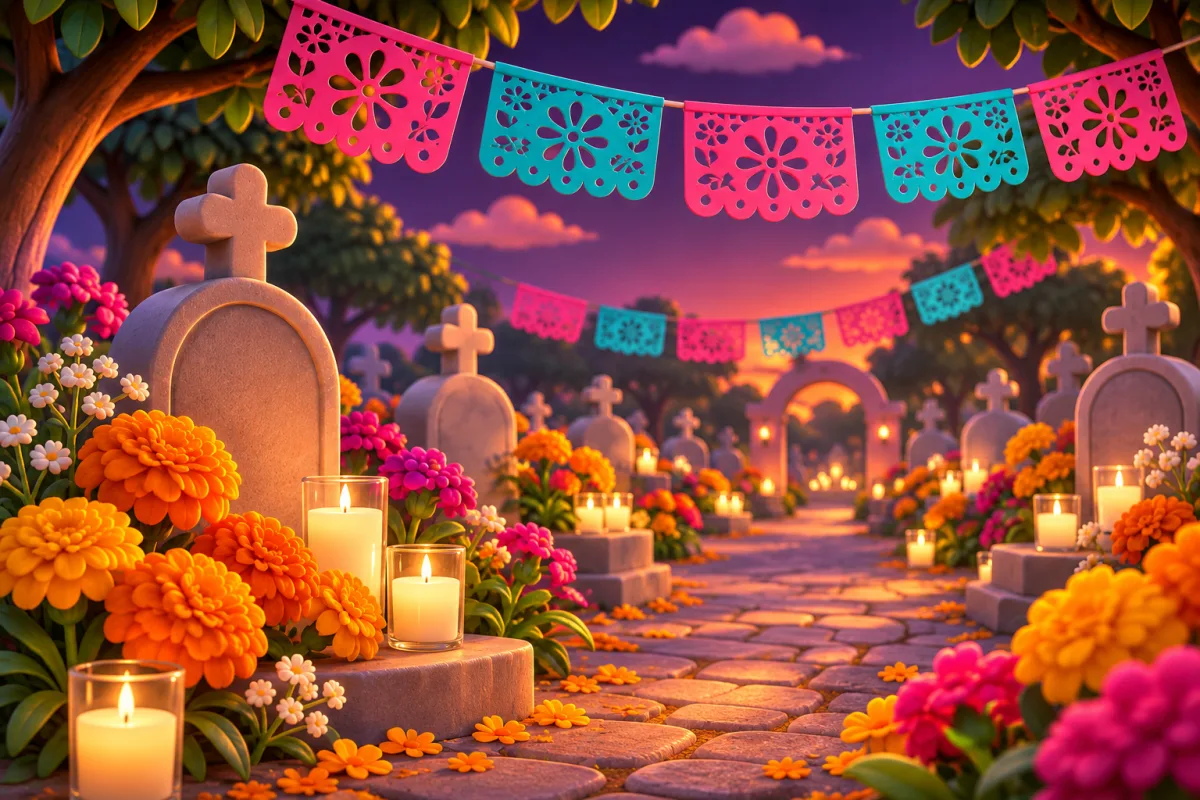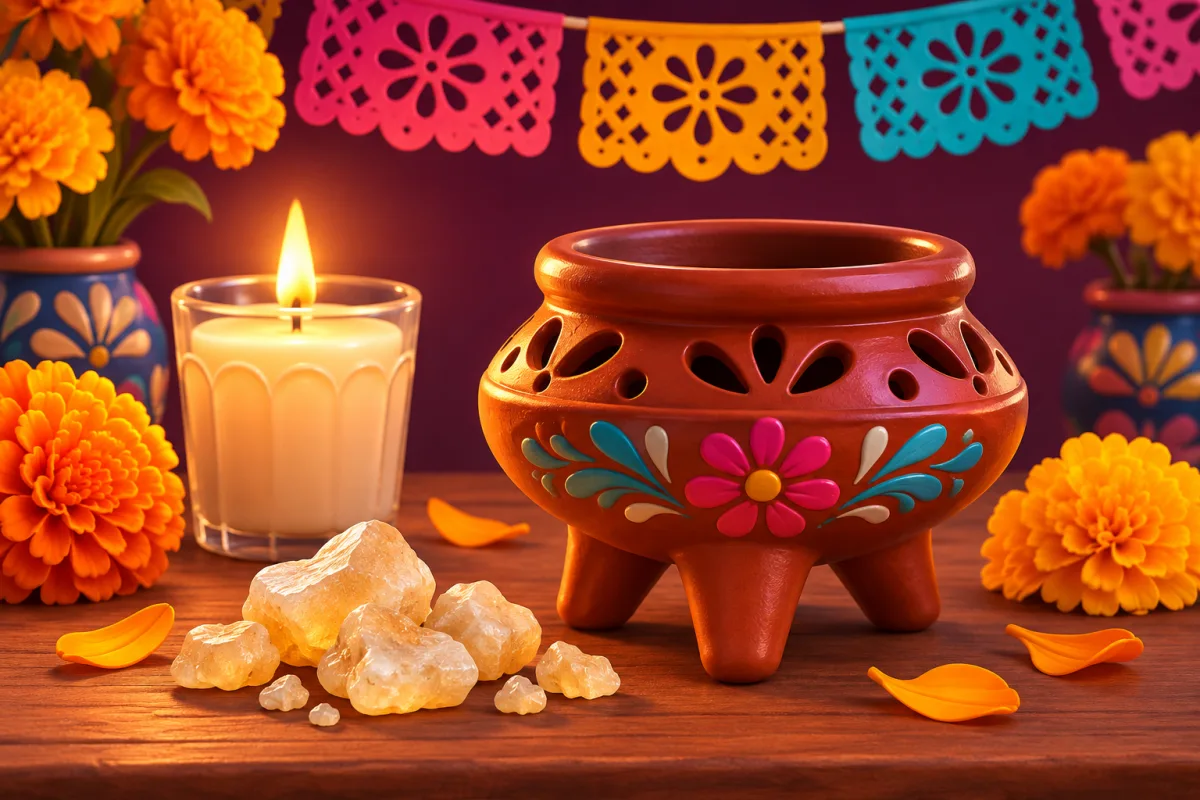
Before you choose where to eat during the days of remembrance on the Yucatán Peninsula, it helps to know what the food is for. In Campeche, the dishes of Janal pixan are made for the dead as much as for the living.
Pibipollos belong among the foods prepared for household altars, alongside sweets, fruit, bread and pibinales. Their setting matters: the preparations welcome departed children and adults back to their families. The food is part of that remembrance, together with the work of readying the home.
The meal of the souls
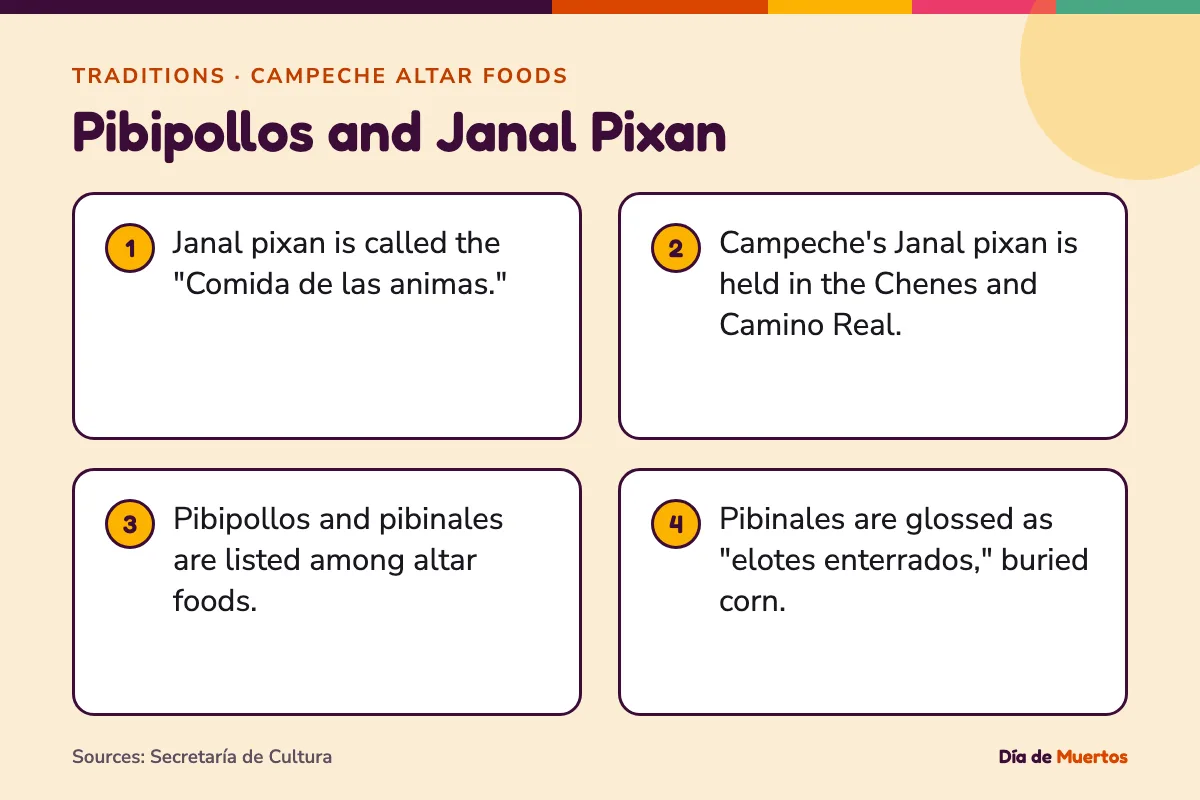
Janal pixan, also written U janal pixano’ob, is a deeply rooted funerary tradition of the Yucatán Peninsula. Its name, "Comida de las animas," places a meal at the center of remembrance: food is prepared for the souls of those who have died.
In Campeche it is held in the Chenes and Camino Real regions, both with a significant Maya population. The Camino Real takes in the municipalities of Tenabo, Hecelchakán, Dzitbalché and Calkiní.
The celebration brings living relatives and their dead together. Families prepare for the arrival of the pixanes, or souls of the departed.
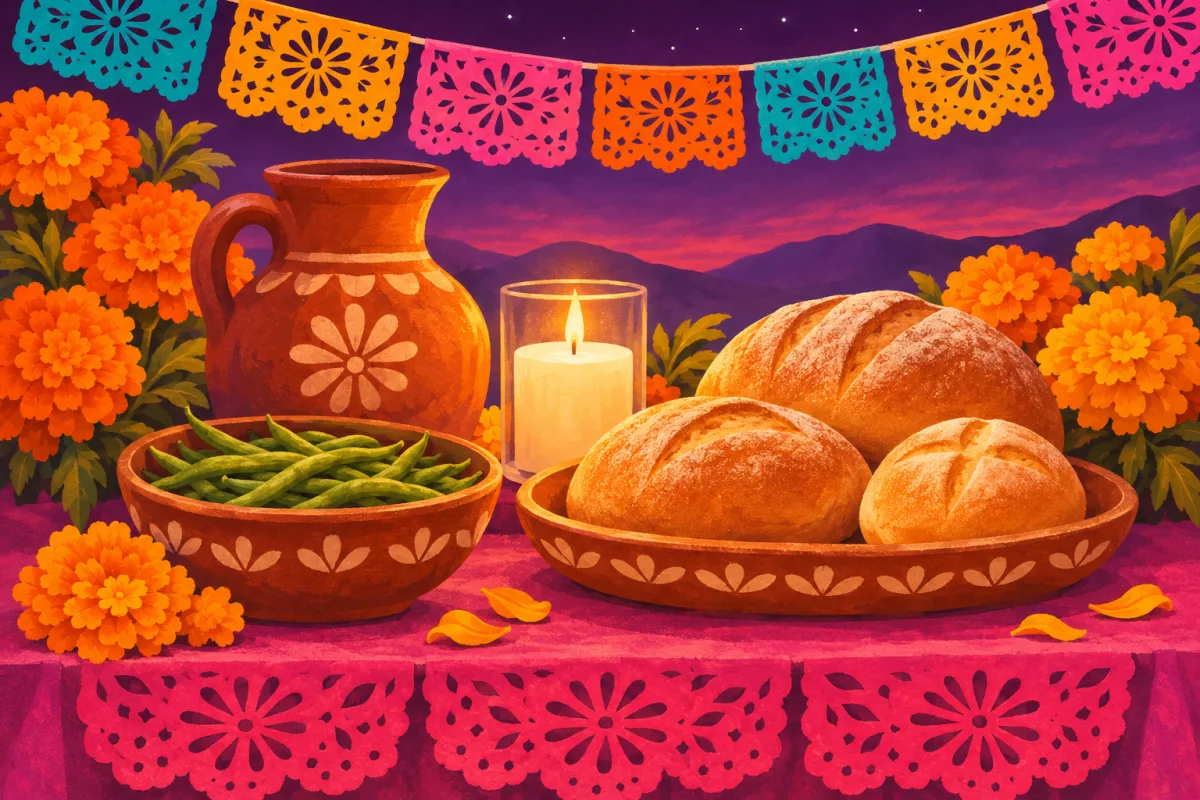
Pibipollos and pibinales on the altar
Pibinales are described as "elotes enterrados," or buried corn on the cob; that description belongs specifically to pibinales.
These offerings are prepared for altars remembering children as well as adults. Pibipollos are therefore part of a larger meal of welcome, rather than the whole observance. The combination of foods places them within a household's relationship with its dead.
Made at home, not only at the cemetery
Remembrance extends from the cemetery into the household. There, men and women undertake different preparations, including outdoor work and the making of food and drinks for the altars.
Milpas and backyards are cleaned, and the walls called albarradas are whitewashed. Cooking sits alongside these tasks: getting ready for the dead involves the home and its surroundings, not only the dishes that will be placed on the altar.
Altar foods in other communities
Other communities prepare their own foods of remembrance. Their offerings have distinct local settings and meanings; the examples below are not variations of pibipollos.
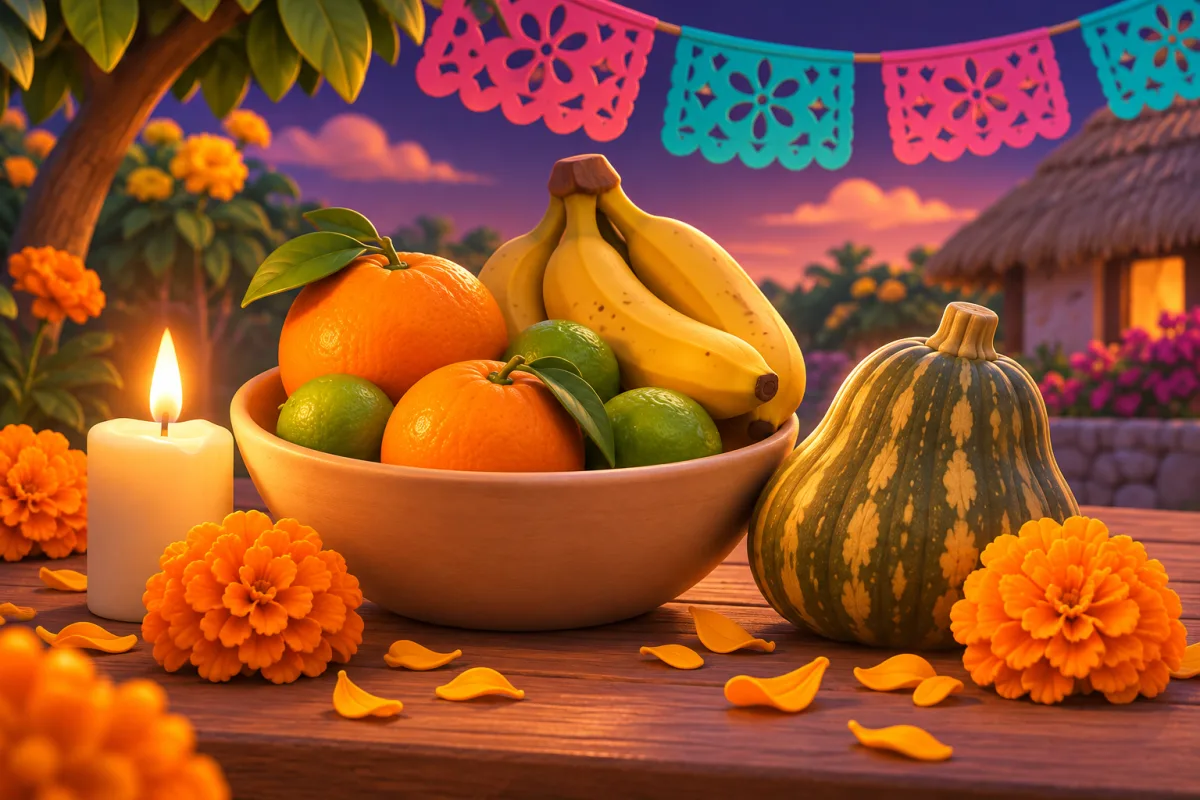
In the Ch’ol community in Campeche, xate foliage and flowers decorate the offering, with candles providing light. Foods placed there include bananas, apples, oranges and limes, as well as yuca, squash, chayote, camote or macal. Granola, cookies or bread complete the food description.
People also eat foods such as tamales, tortillas, tostadas or pozole and drink coffee. These meals are described separately from the foods placed on the altar. Keeping that distinction preserves the difference between what people eat during remembrance and what they specifically offer to the dead.
In Santo Domingo Albarradas, Oaxaca, pan de muerto has a particular connection to the person being remembered. The bread comes from neighboring Villa de Mitla and bears a face representing the deceased. Its size follows the age of the recipient: larger loaves are for adults and elders, medium ones for young people and smaller ones for children.
The offering also includes favorite dishes of the deceased, along with tamales, fruit, chocolate, tepache and mezcal. Candles and holy water accompany the food. Beyond the altar, families gather to eat with friends and compadres. Bread therefore belongs both to the offering and to a wider setting of family and community remembrance.
Among the Triqui, the ability to offer something matters more than a family's resources. Green beans, totopos and plain water can suffice for the returning dead. More extensive offerings include seasonal produce, sweets and pan de muerto, along with other food and drinks. The modest example is not a prescribed menu for every household: it expresses the importance of receiving the dead even when a family has little to give.
In Santa Cruz Nundaco, Oaxaca, families place the deceased person's favorite food on the altar. Offerings for children can include chicken or beef broth. Pulque, masa atole and mezcal also have a place in the remembrance. Here again, food is linked to the people being welcomed, rather than to a single menu shared across Mexico.
These community examples show different ways of feeding and remembering the dead. They do not establish a common preparation method or ingredient list for the pibipollos offered in Campeche.
Before you go
Family altars and the meals set before the dead are private. Visitors are guests there, and a family may say no, so ask first and accept the answer. Preparing and sharing these foods is household work, not something to join as an activity.
Before booking a trip around the days of remembrance, check an official local public program for visitor activities. For a meal, ask a restaurant or market vendor what is available rather than planning around a household altar. A public food stop and a family's offering serve different purposes; keep the family's remembrance separate from your travel arrangements.
Quick check
1. What does "elotes enterrados," the description of pibinales, mean?
2. Which Campeche regions are associated with Janal pixan?
3. Who are the pixanes welcomed during Janal pixan?
Questions readers ask
What is Janal pixan?
What foods does the Ch'ol altar in Campeche carry?
What are pibinales?
Sources