If you are weighing Toluca for Day of the Dead, the first thing to sort out is what the name on the poster covers. The city's big autumn event is the Feria y Festival Cultural Alfeñique, and it is a fair and a cultural festival run together by the municipal government.
Browsing the fair and attending a performance are different ways to approach Toluca's celebration. A public altar would be another possibility, but only with a confirmed announcement of its own. None of these choices grants access to a family's remembrance at home or at a grave.
One name, several kinds of events
Toluca's municipal announcement brings music, artistic projects and record attempts together under the Feria y Festival Cultural Alfeñique name. The cultural program extends beyond performances: it also includes plans for an artistic intervention and opportunities for local creators.
The shared festival name is not enough to plan every activity. For a visitor, the useful distinction is between a fair visit, a particular concert and an announced art project. Choose the activity that interests you, then look for the practical information specific to it.
The announcement was made during a municipal press conference called La Toluqueña. The announced concerts and civic projects belong to the municipal celebration. They are distinct from a family's remembrance of its dead, even when both form part of the same season.
Choice one: the fair and its record attempts
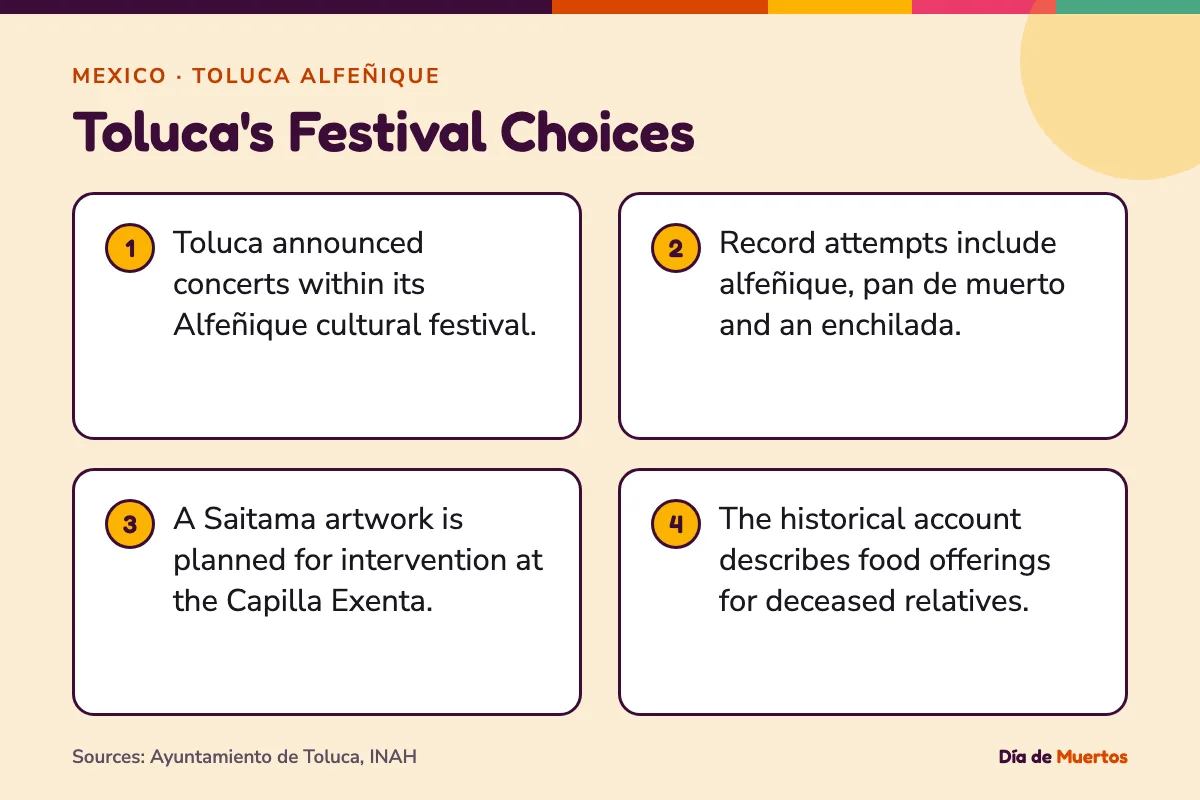
The city announced record attempts involving alfeñique candy, pan de muerto and an enchilada. For the edition announced in late August, the city said Toluca would try to set world records for the largest alfeñique candy, the largest pan de muerto and the largest enchilada.
Those are announced goals, not guarantees, and they say nothing about stalls, hours or entry. The announcement does not establish a browsing route, a visit length or an admission price. Leave room in your plans for those details rather than building a full day around the record attempts alone.
It helps to think of the record attempts as one thread of the program. If a record attempt interests you, look for a specific announcement before making it the focus of your visit.
Choice two: a public altar
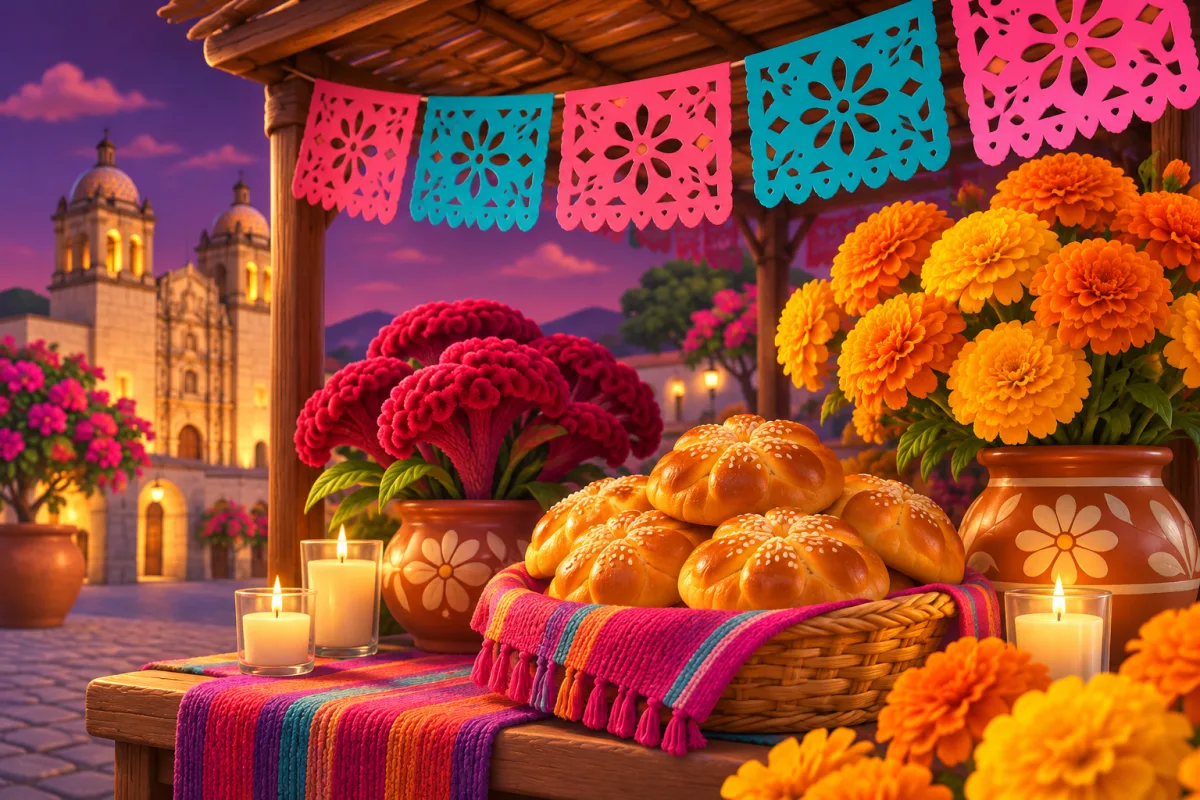
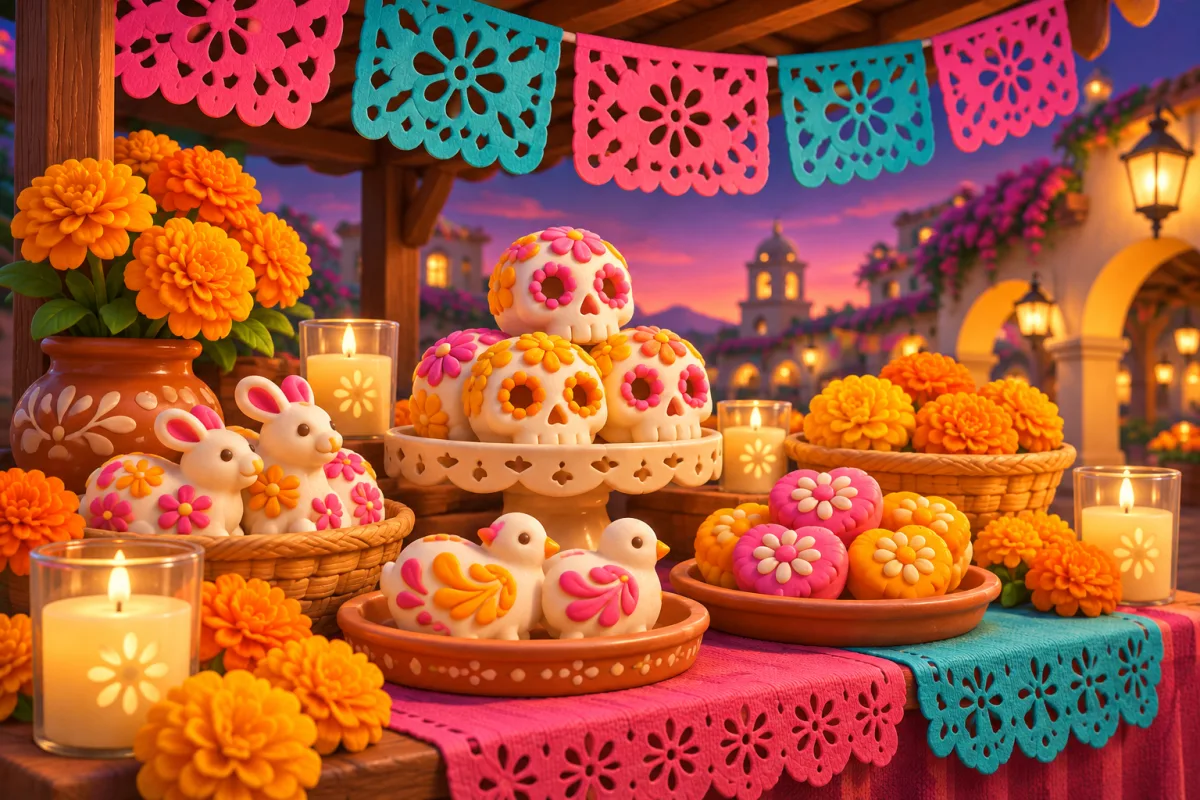
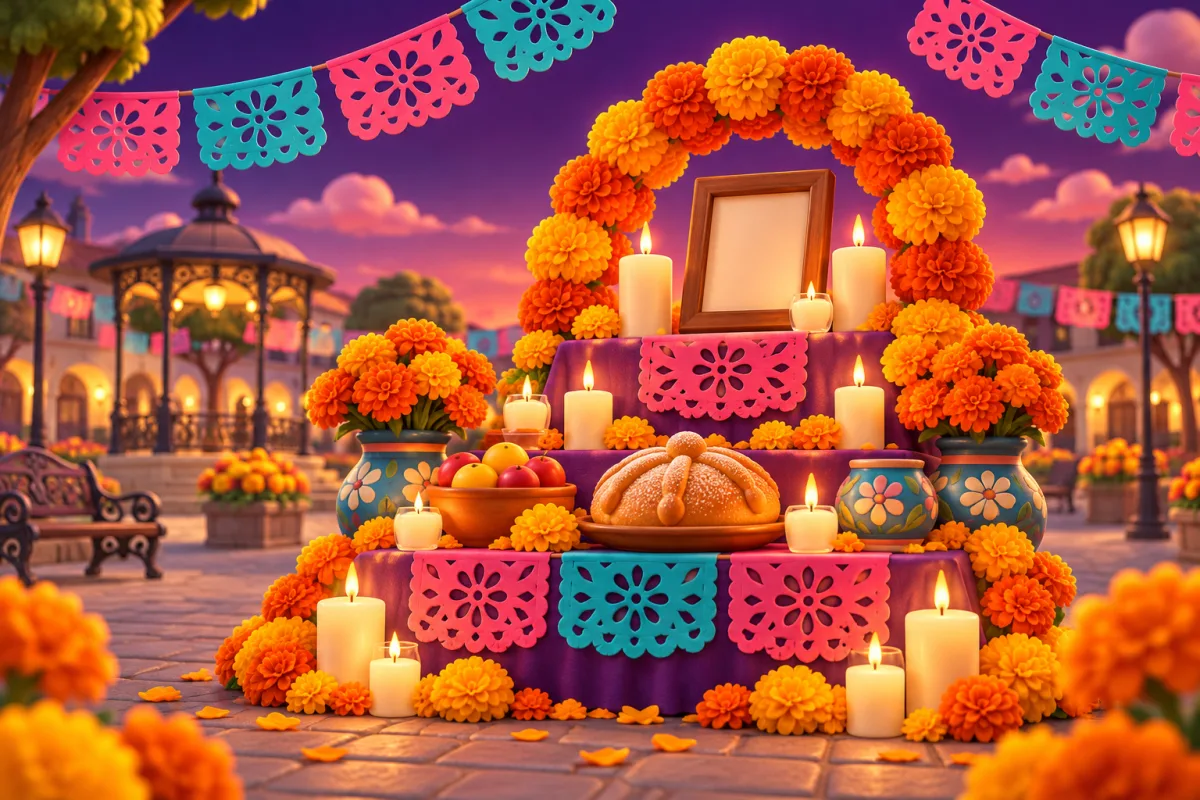
An ofrenda is an altar built to remember someone who has died. Elements associated with the celebration include flowers, papel picado, pan de muerto, seasonal fruit, prepared food and skull-shaped sweets. Historical accounts also describe candles and offerings in homes, with food prepared for deceased relatives.
A public altar, if announced, would need a separate planning decision from the fair. Look for information about who is presenting it and where visitors are welcome, rather than assuming that the festival name includes an altar visit.
Toluca's announcement for this edition does not name a public altar, so if a monumental ofrenda is what you want to see, look for a confirmed location and access details in the city's current program before you plan around one. A photograph from another edition would not, by itself, establish that an installation is returning.
A family altar at home or at a grave is something else again. It is private, and families set it up for their own dead. Altars in homes have a long history in Mexico, and a household altar is a household matter.
Choice three: a scheduled performance
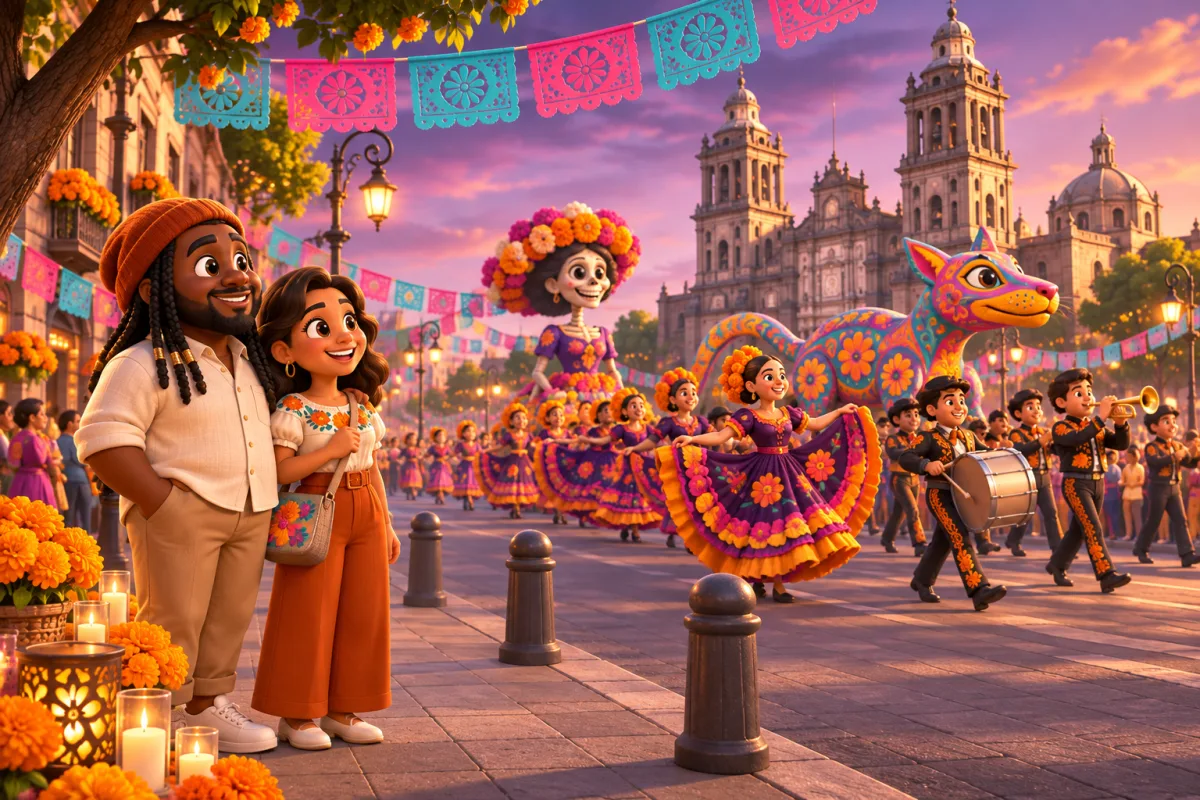
Music is a large part of the festival. At the press conference, the city announced a concert series with national and international acts, and the mayor's office said it wanted the program to lift spirits and strengthen community life.
A concert is a ticket-or-no-ticket, time-and-place decision, unlike browsing a fair or standing at an altar. A named act alone is not enough to settle the practical arrangements: the announcement gives no concert venues, start times or admission details.
The city's director of education, culture and tourism, Victoria Sánchez, said the municipal government wanted this year's celebration to be bigger and that access to music and leisure should be a right for local families. That framing explains why so much of the festival is built around public entertainment.
Art and cultural exchange
The program is not only music. A monumental work from Saitama, Japan, was announced for an artistic intervention at the Capilla Exenta, as a cultural exchange between two peoples. The planned work adds an artistic exchange to a program otherwise strongly focused on music.
The city also said it would reopen calls for photography, illustration, exhibition and local-talent projects, with the aim of supporting artists from Toluca. Those calls are aimed at local creators rather than at visitors.
The remembrance behind the fair
The fair follows the city's calendar. The remembrance it sits beside centers on Nov. 1 and 2.
One historical interpretation traces the Nov. 1 and 2 observances to medieval Europe: Nov. 1 honors all saints and Nov. 2 is the day of the faithful departed. It says the observances reached Mexico in the sixteenth century.
The same account says ancient Mesoamerican funerary practices had other characteristics and other dates, and that many older beliefs were kept alive in Indigenous communities under Christian forms. It also notes that today's altars, flowers, papel picado and pan de muerto look pre-Hispanic to many people, though it traces many of those elements to European customs. In this interpretation, the church observances and the practices surrounding them are distinct, with Indigenous beliefs enduring within Christian forms.
Before you go
The fair is a city festival; the remembrance of the dead belongs to families. Altars at homes and graves are private, so ask before you photograph anyone, accept a no and give families room.
Before booking, look at Toluca's current municipal program for any published fair hours, entry policies, concert venues, start times and admission details. A public altar needs its own confirmed location and access information, so look for one before you plan a trip around it.
Keep the fair, a performance and any confirmed public altar separate in your plans; an announcement about one does not settle access to the others.
Questions readers ask
What purpose did the city give for its concert program?
Is there art in the festival as well as music?
What do the altars in Day of the Dead usually include?
Sources